
Fire Escape Plan for Pets: Prepare Without Delaying Escape
Pet fire planning happens before an alarm.
Start this planning guideIllustrative household guidance. Review actual conditions and follow local or building-specific instructions.
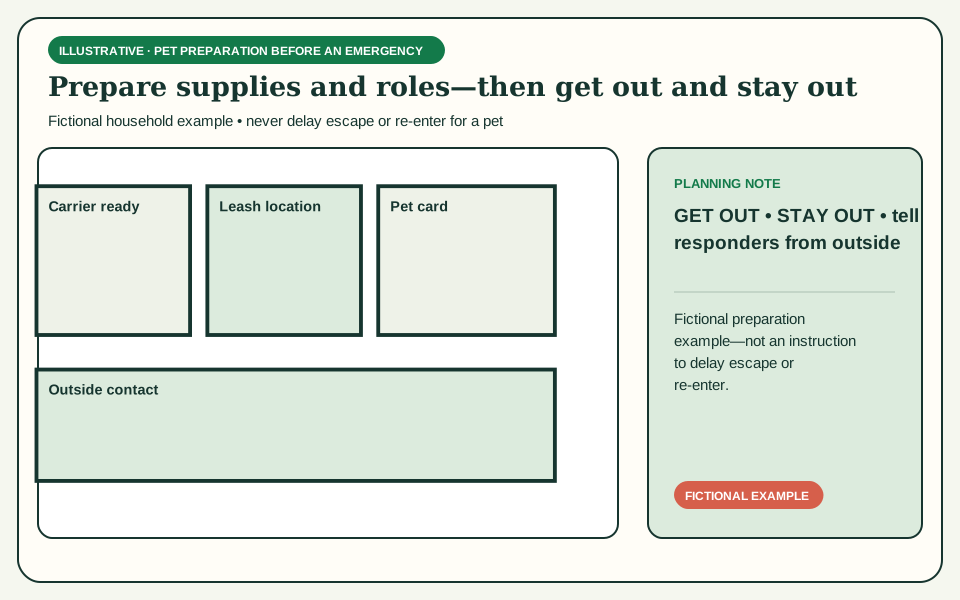
It means keeping appropriate carriers or leashes usable, reducing hiding-place uncertainty, assigning realistic adult roles, maintaining current identification, and preparing information for responders and temporary care. It never means delaying a person's escape, searching through dangerous conditions, or returning to a burning home.
The American Red Cross advises including pets in the family emergency plan, keeping them near entrances when the household is away if feasible, knowing hiding places, practicing the escape plan, and using pet alert window clings. NFPA's household rule remains decisive: once out, stay out, and tell firefighters if someone is missing. Responders, not household members, have the training and equipment for rescue.
Build pet details around the human plan: inspected routes, working alarms, an outside meeting place, assistance for people, and accountability. Adapt handling to species, temperament, enclosure, household layout, and veterinary advice. The fictional examples here illustrate organization only; they do not promise an animal will behave the same way during a real alarm.
01 / household planning
Prepare carriers, leashes, and identification
Place maintained, species-appropriate handling equipment where it may be reached without moving away from a safe exit.
Choose equipment appropriate to each animal and ask a veterinarian or qualified trainer about unfamiliar handling needs. Label carriers clearly and check closures, handles, sizing, and ventilation during ordinary care. A carrier that is buried in storage, missing a fastener, or too small is not ready simply because it appears on a checklist.
Keep a leash, harness, or carrier near the normal exit when practical and safe, without narrowing the escape path or creating a trip hazard. Do not store essential pet equipment in a location that would require moving deeper into the home. Human escape comes first; equipment is useful only when immediately available in safe conditions.
Maintain current identification and contact information using methods appropriate for the animal. Keep a recent photo and veterinary contact in the private pet card. These records support reunification after escape; retrieving a folder, medication, or phone must never delay leaving. Store optional copies outside the home or in an emergency kit according to broader disaster planning.
Know where a pet usually sleeps or hides, and reduce preventable access to hazardous or unreachable areas during normal household management. The Red Cross recommends knowing pets' hiding places. That knowledge can be given to firefighters from outside; it is not permission to search when smoke or fire is present.
For caged, aquatic, farm, exotic, or medically complex animals, generic carrier advice may not apply. Discuss fire planning with the veterinarian, local fire service, building management, or relevant animal professional. Record realistic actions and constraints rather than promising evacuation of equipment or enclosures that cannot be moved safely.
Inspect supplies when identification, medication, animal size, residence, or household route changes. Practice calm carrier familiarity separately from fire drills so the animal does not associate every carrier use with an alarm. Do not expose a pet to prolonged alarm noise or stressful drill conditions merely to test behavior.
Consider: Never obstruct an exit with pet supplies or move toward smoke to retrieve equipment, medication, or an animal. Species-specific handling may require veterinary or qualified advice.
Sources: American Red Cross: Pet fire safety, NFPA: Escape planning
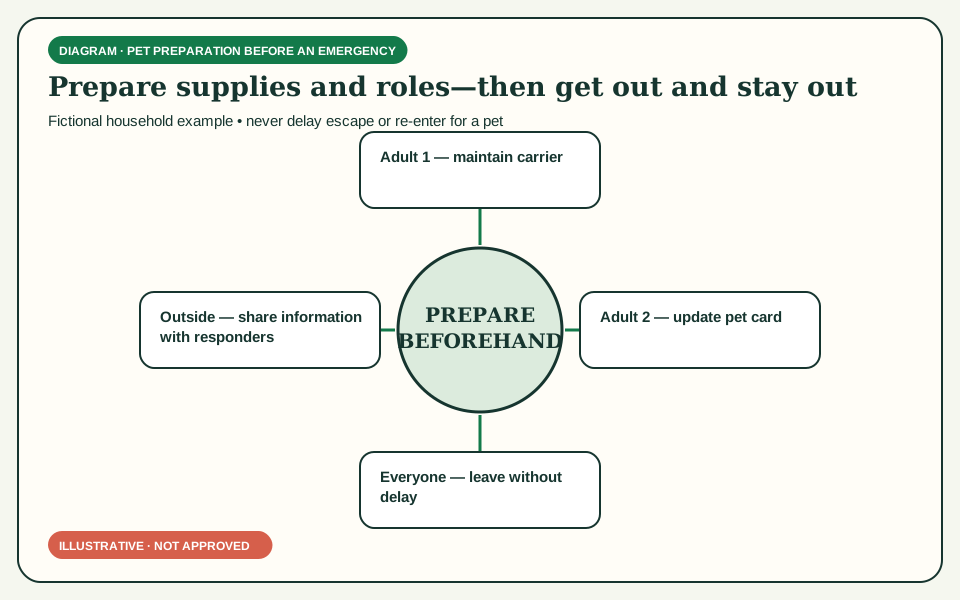
Select pet preparation items
02 / household planning
Allocate household responsibilities in advance
Give capable adults conditional pet tasks while preserving every person's immediate route out.
First assign assistance for people. A child, older adult, or person needing support must not lose their helper because that adult has a pet task. Only then assign one capable adult per pet or enclosure, plus a backup based on who is actually home. Children should never be responsible for finding or rescuing an animal.
Make each pet task conditional: take the pet only if the animal and safe handling equipment are immediately accessible along the person's escape route. The role ends when conditions are unsafe or the pet cannot be secured promptly. This wording prevents a checklist from becoming an order to delay.
Avoid duplicate assumptions. If two adults each expect the other to take the dog, nobody may act; if both turn back, both are endangered. Name roles for day, night, and usual absence patterns. Visitors and pet sitters need a short orientation to the human routes, meeting place, equipment location, and no-reentry rule.
At the outside meeting place, account for people first and then report pet status. Tell firefighters the species, number, likely location, and identifying features if an animal is missing. Do not crowd responders or demand that an untrained neighbor enter. Once out, stay out.
Practice role communication at a table: “I have Pepper,” “Pepper not out; last seen bedroom,” or “carrier inaccessible.” Short factual updates reduce duplicate action. Do not stage a missing-animal search or hide a pet. A calm carrier exercise can occur separately under ordinary safe conditions.
Review roles when work schedules, caregivers, bedrooms, pet behavior, animal number, mobility, or home layout changes. If no adult can perform a pet task without compromising human escape, record that limitation honestly and ask the local fire service or animal professional about safer preparation.
Consider: Human escape and assistance take priority. Pet roles apply only when the animal and equipment are immediately accessible on a safe route; never search or re-enter.
Sources: American Red Cross: Pet fire safety, NFPA: Escape planning, American Red Cross: Home fire escape planning
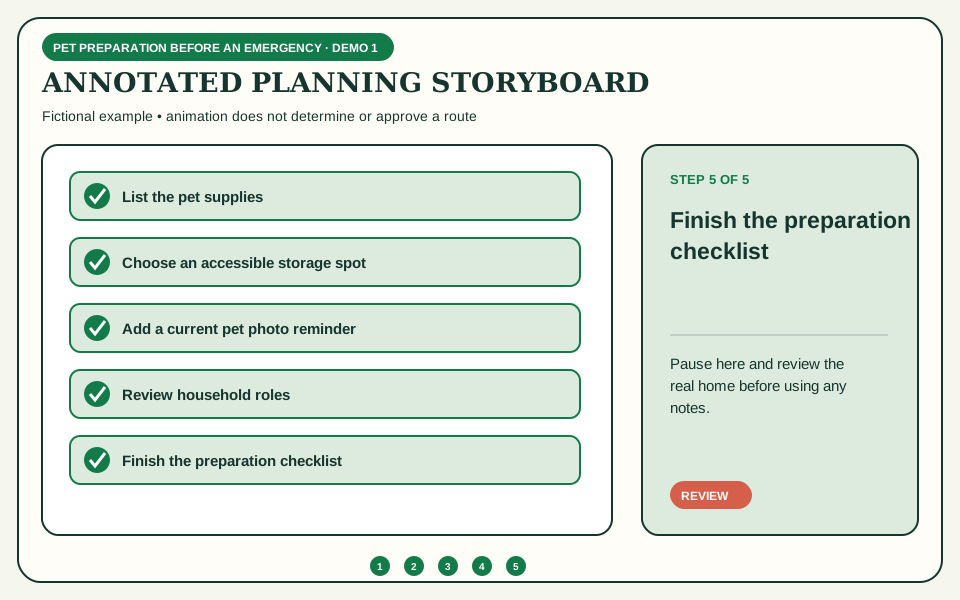
Match pet-plan responsibilities to Adult or Child
Next step / visual draft
Bring these notes into a visual starting point.
Use the map maker from a floor plan or sketch. It creates a visual draft, not an approved home plan.
Open the fire escape plan makerDraw an evacuation map03 / household planning
Create a private pet information card
Give responders and temporary caregivers concise current information without making the card something a person must retrieve.
Create one entry per animal with name, species, appearance, current photo reference, identification, usual hiding places, handling cautions, veterinarian, and an out-of-area contact if appropriate. Use concrete descriptions rather than affectionate phrases a responder cannot interpret. State the number of animals accurately and update it after any change.
Separate responder information from care details. A front panel can list number, species, color, size, likely location, and critical handling warning. A private back panel can include veterinarian, medication, feeding, and temporary-care contacts. Do not post medication or personal household schedules publicly.
Window pet alert clings can inform responders, as the Red Cross recommends, but they must remain current. An outdated count wastes attention and can expose responders to unnecessary risk. Mark a recurring review date and remove the cling when the household moves or no longer has the animal.
Keep the card available outside the home when feasible, or make a planned digital or emergency-kit copy. Nobody should turn back to retrieve it. At the meeting place, verbal information may be all that is available. Practice a ten-second description: animal, number, last likely location, and handling concern.
For animals requiring heat, oxygen, electricity, large enclosures, or specialized transport, add a question for the veterinarian and local emergency planners rather than inventing an escape method. A printable card can document limits but cannot make bulky equipment safely portable.
Protect privacy. Share only details needed by agreed caregivers or responders, and clear entries on a shared device after printing. Date every copy and destroy older versions. The card is preparation evidence, not a rescue guarantee or proof that responders can enter.
Consider: Keep counts current and do not expose unnecessary private details. A card or window cling assists communication but does not guarantee rescue and must never delay escape.
Sources: American Red Cross: Pet fire safety, NFPA: Escape planning
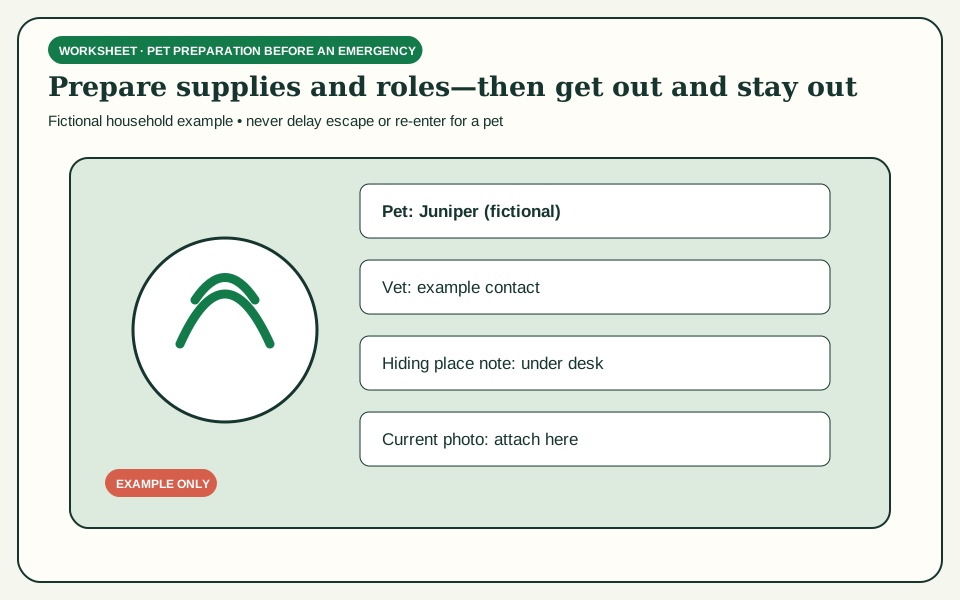
Edit pet and contact information
Up to 1,000 characters per field. Entries remain only in this page until you leave or refresh.
04 / household planning
Review get-out, stay-out, and post-incident actions
Make no-reentry absolute and prepare the next safe decisions for a displaced or injured animal.
The household rule is simple: get out and stay out. If a pet is not already with the responsible adult on the safe route, report the pet from outside. NFPA says people should never go back into a burning building. Firefighters have protective equipment and training that residents and neighbors do not.
At the meeting place, account for all people before organizing pet information. Tell responders how many animals may be inside, their species, likely locations, and hazards such as fear biting. Follow responder instructions and remain clear of operations. Do not open doors, windows, fences, or carriers unless directed; doing so may alter conditions or release an animal.
A pet that escapes may be frightened and difficult to approach. Use ordinary identification and reunification resources from a safe area, and follow animal-control or responder guidance. Do not enter traffic, a restricted fireground, or an unsafe structure to pursue the animal.
Arrange veterinary assessment for smoke, heat, burns, trauma, or unusual behavior. Do not diagnose injury from appearance alone. Call the veterinarian or emergency clinic, describe exposure, and follow professional direction. Human medical emergencies and responder directions still take priority.
Prepare temporary care contacts and a location that accepts the species. Broader disaster supplies may include food, medicine, records, and sanitation items, but these are advance preparations—not a bag to retrieve during a fire. Keep a maintained kit where it does not obstruct escape and can be accessed only if safe.
After the incident or drill, update the plan without blaming the animal. A pet's response can vary with noise and stress. Improve equipment familiarity, role clarity, identification, and responder notes during normal conditions. Never repeat alarming drills solely to force predictable pet behavior.
Consider: Never re-enter, send a neighbor inside, or interfere with fireground operations for a pet. Report information to responders and seek veterinary advice after exposure.
Sources: NFPA: Escape planning, American Red Cross: Pet fire safety, American Red Cross: Home fire escape planning
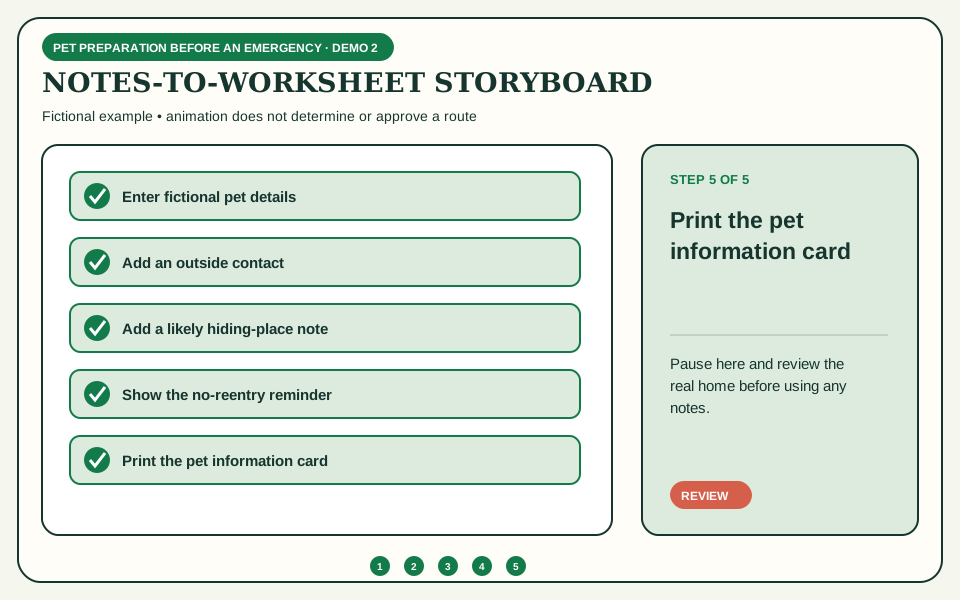
Review and print the pet preparation checklist
Review or print your worksheet
Preview current entries and blank writing lines. Printing opens your browser’s print dialog, where you can choose a printer or “Save as PDF.”
Continue planning
Related household resources
Questions and worksheet
Fire Escape Plan for Pets: Prepare Without Delaying Escape FAQ
Should I go back inside for my pet?
No. Once outside, stay outside. Tell firefighters the number, species, description, likely location, and handling concerns. Residents and neighbors do not have responders' protective equipment or training.
Should a child be responsible for a pet?
No. A child's job is to follow the household plan, reach the meeting place, and stay outside. Capable adults may have conditional pet roles only when human assistance is covered and the animal is immediately accessible on the safe route.
Where should a carrier or leash be stored?
Keep appropriate maintained equipment near a normal exit when practical, but never in the path or where it creates a trip hazard. Nobody should detour deeper into the home to retrieve it. Ask a veterinarian about species-specific equipment.
Do pet alert window clings help?
They can communicate that pets may be present, and the Red Cross recommends them. Keep the count current and remove obsolete clings. A cling does not guarantee rescue and is not a reason for anyone to remain inside.
How do I practice with a pet safely?
Build calm carrier, leash, or recall familiarity during ordinary routines. In household drills, do not hide animals, expose them to prolonged alarm noise, or delay people to force handling. Discuss missing-pet scenarios at the table.
What about aquarium, exotic, farm, or medically complex animals?
Generic carrier guidance may be inappropriate. Consult the veterinarian, local fire service, building management, and relevant animal professionals before an emergency. Document realistic constraints, specialized contacts, and no-reentry rules.