Why You Need a Printable OSHA Checklist
A printed OSHA safety checklist is the most effective tool for conducting facility walkthroughs. Unlike digital tools, a printed checklist lets safety managers physically walk every area of the workplace, check items in real-time, and document findings on the spot. This checklist covers 54 critical inspection items across 8 OSHA safety categories, matching the items OSHA compliance officers check during inspections. Print it, grab a clipboard, and walk your facility — it is the fastest way to find and fix compliance gaps before an inspector does.
Category 1: Emergency Action Plan (29 CFR 1910.38)
- Written Emergency Action Plan is current and accessible
- Evacuation routes and procedures are documented
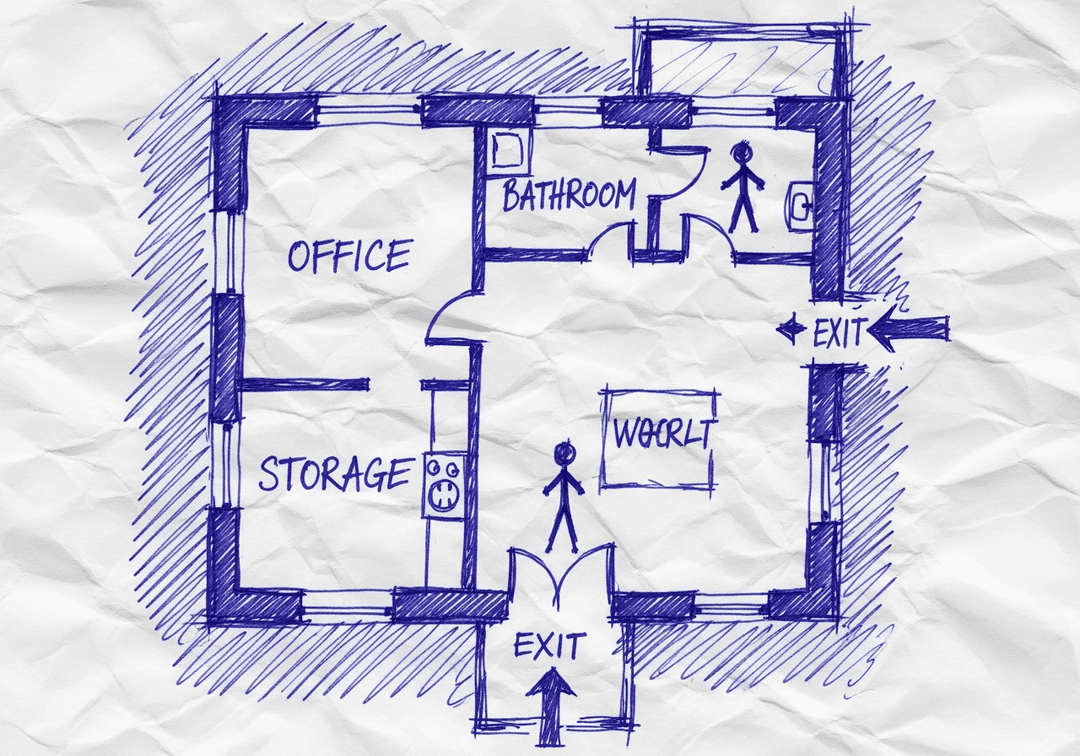
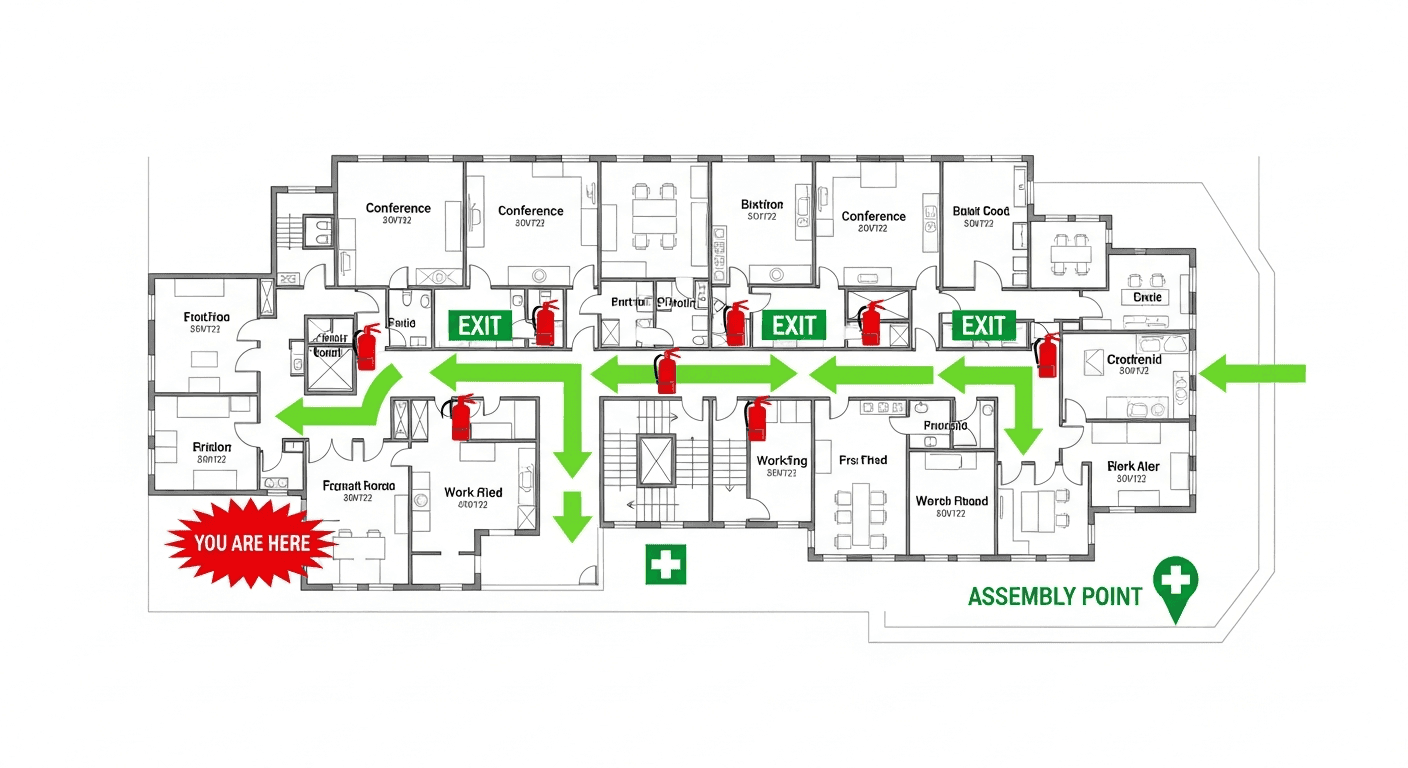
- Evacuation maps are posted at all major exits and high-traffic areas
- Assembly points are designated and communicated
- Employee alarm system is functional and tested
- Emergency contact list is posted and current
- All employees have been trained on the EAP within the past year
Category 2: Exit Routes (29 CFR 1910.36-37)
- All exit routes are clear and unobstructed
- EXIT signs are illuminated and visible from all directions
- Emergency lighting is functional (test monthly)
- Exit doors open in the direction of travel
- Exit doors are not locked or blocked from inside
- Minimum 28-inch clear width maintained on all exit routes
- No storage in stairwells or exit corridors
Category 3: Fire Protection (29 CFR 1910.157)
- Fire extinguishers are within 75 feet of all work areas
- Fire extinguishers have current annual inspection tags
- Monthly visual inspections are documented
- Fire alarm pull stations are accessible and unobstructed
- Sprinkler heads have 18-inch clearance below
- Employees trained on fire extinguisher use (PASS method)
- Fire Prevention Plan is current (29 CFR 1910.39)
Category 4: Hazard Communication (29 CFR 1910.1200)
- Written Hazard Communication Program is current
- Safety Data Sheets are accessible to all employees
- All chemical containers are properly labeled (GHS)
- Employees trained on chemical hazards in their work area
- Chemical inventory list is current and complete
- Secondary containers are labeled with contents and hazards
- Hazardous waste is properly stored and labeled
Category 5: Personal Protective Equipment (29 CFR 1910.132)
- Written hazard assessment for PPE is completed
- Appropriate PPE is provided at no cost to employees
- Employees trained on proper PPE use and care
- PPE is inspected before each use
- Eye/face protection available where needed
- Hearing protection provided for noise above 85 dB
- Respiratory protection program if respirators are used
Stay OSHA-Aligned — Generate Your Map Now
Upload your floor plan and get a print-ready, compliant evacuation map instantly.
Create Your Free MapCategory 6: Electrical Safety (29 CFR 1910 Subpart S)
- Electrical panels have 36-inch clearance maintained
- All electrical covers and plates are in place
- No frayed cords or damaged plugs in use
- Extension cords are temporary use only (not permanent wiring)
- Ground-fault circuit interrupters (GFCIs) in wet areas
- Lockout/Tagout procedures documented and followed
- Electrical equipment is properly grounded
Category 7: Walking-Working Surfaces (29 CFR 1910 Subpart D)
- Floors are clean, dry, and free of trip hazards
- Aisles and passageways are clear (min 28 inches wide)
- Stairways have handrails on open sides
- Floor holes and openings are covered or guarded
- Loading docks have fall protection
- Ladders are inspected and in good condition
- Elevated platforms have guardrails (42 inches high)
Category 8: General Safety & Recordkeeping
- OSHA "Job Safety and Health" poster displayed
- OSHA 300 Log maintained (if 11+ employees)
- OSHA 300A Summary posted Feb 1 - April 30
- First aid supplies are stocked and accessible
- Workplace violence prevention measures in place
- Injury/illness reporting procedures communicated
- Safety committee meets regularly (if applicable)
Print this checklist and schedule a 30-minute walkthrough every quarter. Start at the front entrance and systematically move through every area. Bring a camera to document issues. For each unchecked item, assign a responsible person and deadline. The most common OSHA citations — blocked exits, expired extinguishers, and missing evacuation maps — are all things you can spot and fix in a single walkthrough.