
Fire Escape Plan for Children: A Parent-Led Practice Guide
Children need a short, repeatable response they can recognize under stress, while adults remain responsible for assessing the home, choosing appropriate routes, maintaining alarms, and arranging assistance.
Start this planning guideIllustrative household guidance. Review actual conditions and follow local or building-specific instructions.
This guide helps a parent or caregiver turn the household plan into pictures, plain words, and supervised practice. It is not a school evacuation procedure, a promise that a child can self-rescue, or a substitute for advice from the local fire service.
Begin with the adults' real plan. Walk through every room, identify doors and windows, keep usable routes clear, and select an outside meeting place a safe distance in front of the home. NFPA and USFA advise planning two ways out of every room and practicing with everyone in the household. A second way shown on paper is not automatically safe or usable: an adult must evaluate windows, heights, security devices, and each person's abilities before including it.
Use the four activities below in short sessions. The fictional examples demonstrate how to explain a plan, not what every home should do. Never introduce smoke, darkness, blindfolds, locked exits, climbing from windows, or surprise separation to make practice feel realistic. Stop if a child is frightened. In a real alarm, the priority is to get outside, stay outside, and tell firefighters if anyone is missing.
01 / household planning
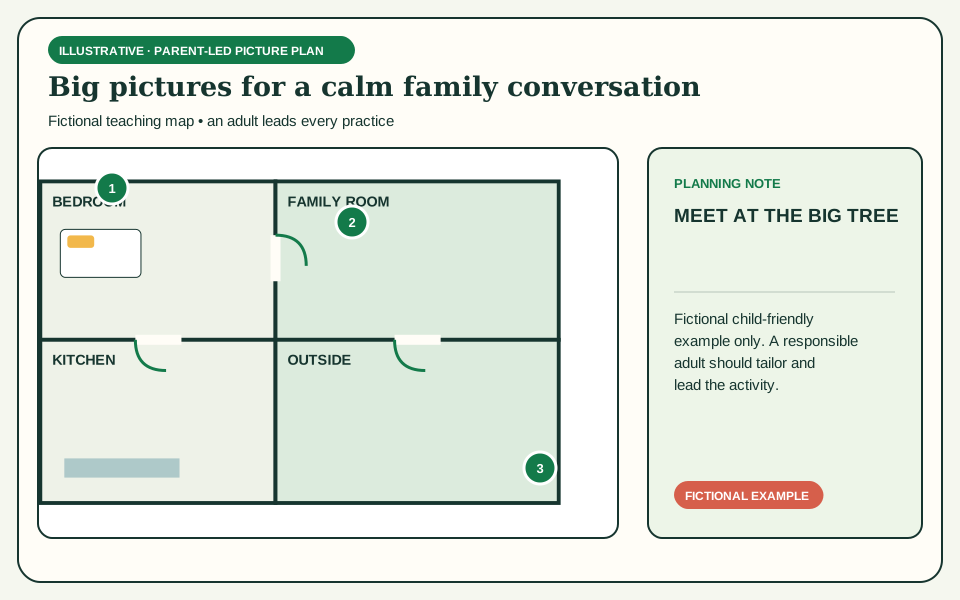
Build a child-friendly picture map
Translate the adult-reviewed household plan into a few recognizable landmarks without turning the drawing into a maze.
A useful picture map starts with places a child already knows: their bed, the bedroom door, the hall, the usual outside door, and the family meeting place. Draw walls and openings simply, then add a continuous labeled line for the primary route. Add the adult-reviewed alternative with a different line style and the words “second way,” so meaning never depends on color alone.
Show only routes that an adult has inspected. Check that doors and windows open easily, paths are not blocked, and security bars have suitable emergency-release devices. NFPA recommends walking through possible exits and routes. A window symbol is an inventory item until an adult determines whether it is an appropriate alternative for this home and this child; the map must never imply that jumping or an unsupervised ladder drill is expected.
Mark smoke alarms as recognition points, not destinations. Explain that a sounding alarm means follow the practiced action and adult direction, not search for the alarm or collect belongings. A child should be able to point to the nearest planned way out from familiar rooms and recognize the outside meeting-place picture. Adults should retain the detailed plan, contacts, and contingencies.
Choose a meeting place that is fixed, easy to describe, and away from the building and responding vehicles. NFPA examples include a neighbor's house, mailbox, light post, or stop sign at a safe distance in front of the home. Adults must judge traffic, gates, water, and other local hazards. Put the same meeting-place symbol on the picture map and practice card.
Let a child help add labels, but do not ask them to decide whether a route is safe. Use concrete language such as “bedroom door,” “front door,” and “mailbox meeting place.” Avoid dramatic flames, countdowns, or frightening imagery. The purpose is recognition: alarm, leave, meeting place, stay outside. Review the picture after furniture moves, a door changes, or the child changes bedrooms.
Keep an accessible copy where caregivers can find it and explain the plan to overnight guests and babysitters. NFPA specifically recommends telling visitors about the household escape plan. A caregiver needs the adult plan, the child's expected routine, the meeting location, and any assistance arrangement—not only the simplified card.
Consider: A drawing cannot establish that a window, ladder, balcony, or route is safe. Adults must obtain home-specific guidance where a second route involves height, security devices, or assisted escape.
Sources: NFPA: Escape planning, U.S. Fire Administration: Escape planning
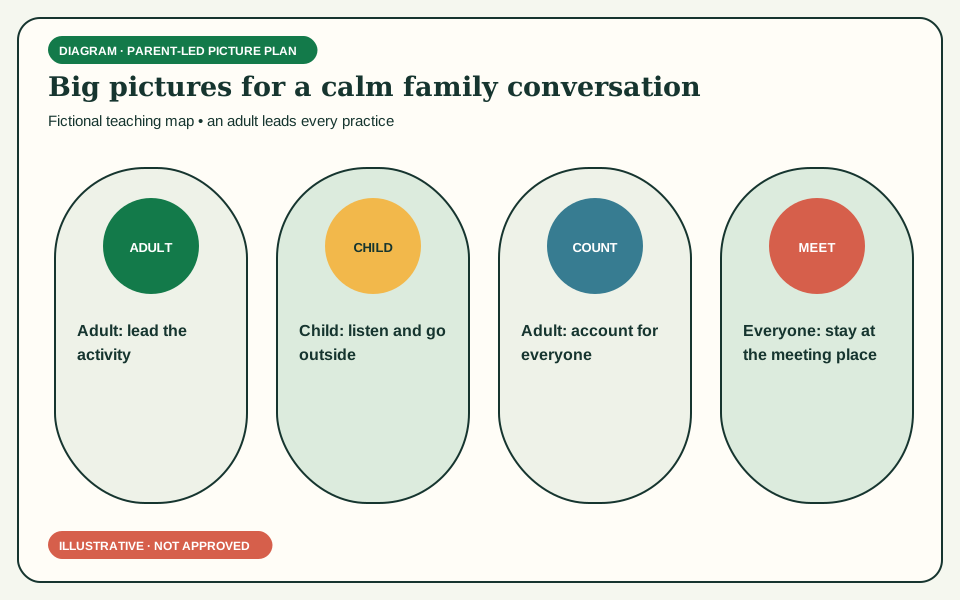
Reveal the picture-map labels
Choose a label: Translate the adult-reviewed household plan into a few recognizable landmarks without turning the drawing into a maze.
Windows and unusual alternatives require property- and person-specific review; a drawing is not permission to use them.02 / household planning
Lead calm, age-appropriate practice
Rehearse recognition and movement in small supervised steps, without manufacturing dangerous conditions.
Before any movement practice, talk through the alarm sound and the plan in daylight. Tell the child which adult will help them and what to do if that adult is not immediately beside them. Demonstrate the route at walking pace. The Red Cross recommends practicing the plan and making sure everyone can get out in under two minutes, but a timed target must never justify rushing, falls, unsafe windows, or frightening a child.
Use the smoke alarm test button only as directed by the manufacturer and prepare children for the sound. NFPA says advance warning from smoke alarms and advance planning are central to escape. Adults are responsible for correct alarm placement, testing, maintenance, and accessibility. If sound is distressing or ineffective for someone, arrange appropriate notification support rather than assuming repetition will solve it.
Practice one piece at a time: notice the signal, move toward the planned exit, go to the meeting place, and remain there. Keep normal lighting and all practice paths clear. Do not add theatrical smoke, blindfolds, crawling contests, or hidden obstacles. Discuss staying low under smoke as emergency education, but ask the local fire service how to teach it appropriately rather than filling a room with smoke or forcing a child to crawl.
A nighttime discussion is useful, but it need not be a surprise nighttime drill. In daylight, ask what looks different when bedroom doors are closed and where an adult will come from. A closed door may slow smoke, heat, and fire, according to NFPA. The adult plan should address how helpers communicate and avoid depending on a young child to wake another person.
Practice the alternative as a tabletop discussion unless adults have confirmed it can be rehearsed safely. Never practice jumping from a window or using an escape ladder with a child unless qualified, product-specific and local guidance explicitly supports the activity. Pointing to an alternative on the map can teach decision awareness without physically attempting a hazardous exit.
Finish with specific, calm feedback: “You heard the sound, went to our place, and stayed there.” Record confusion as an adult action item. If the child went for a toy, revise the phrase and practice later; do not shame them. Repetition should build familiarity, while the adult continues correcting route or assistance weaknesses.
Consider: Do not use surprise alarms with a child who has not been prepared, and never simulate smoke, disable safety equipment, lock a route, or rehearse a hazardous window escape.
Sources: NFPA: Escape planning, American Red Cross: Home fire escape planning, U.S. Fire Administration: Escape planning
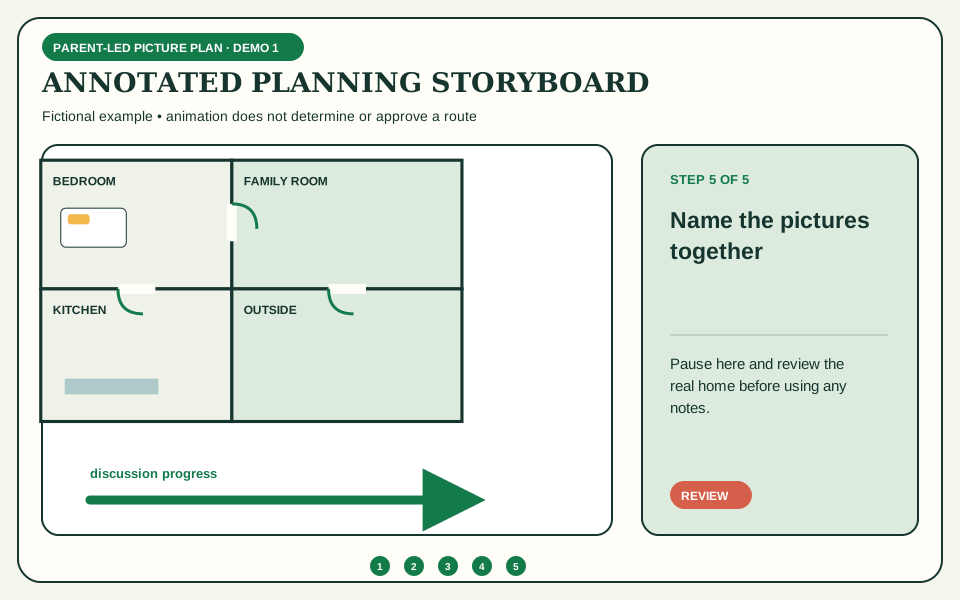
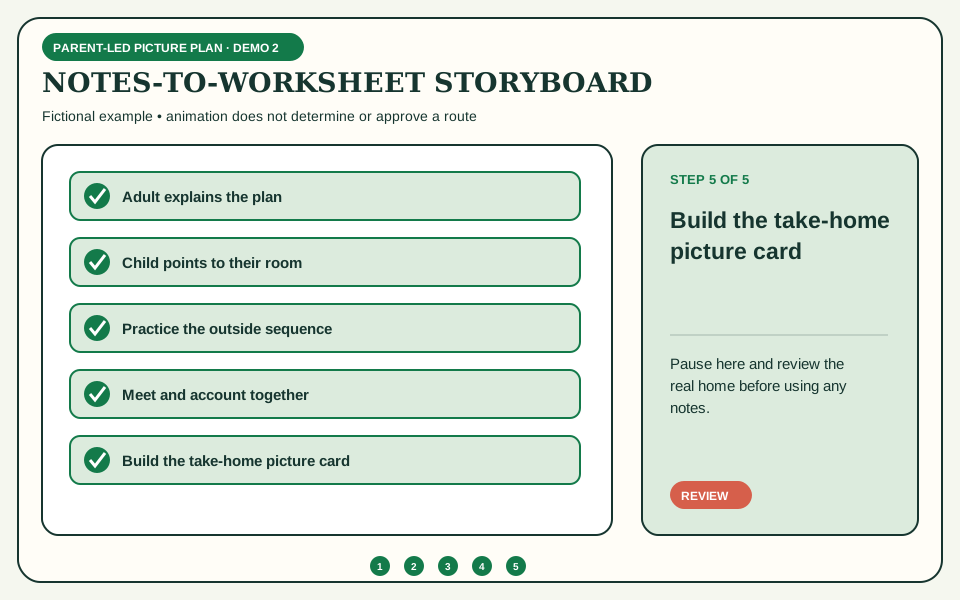
Step through a parent-guided rehearsal
Step 1 of 5
Explain
In daylight, name the alarm sound, adult helper, primary route, and outside meeting place.
Next step / visual draft
Bring these notes into a visual starting point.
Use the map maker from a floor plan or sketch. It creates a visual draft, not an approved home plan.
Open the fire escape plan makerDraw an evacuation map03 / household planning
Separate child actions from adult responsibilities
Give children a memorable routine while keeping decisions, assistance, calling, and accountability with adults.
The child's core job should be brief: respond to the alarm, use the practiced way with the agreed help, go to the meeting place, and stay outside. Adults decide routes, maintain alarms, supervise practice, account for people, call emergency services from safety, and tell responders who may be missing. This division prevents a child-friendly activity from quietly transferring adult safety duties to a child.
Assign an adult to each person who needs assistance and identify a backup. The agreement should be explicit enough that two adults do not each assume the other will help. Consider normal variations such as work schedules and visiting caregivers. Never make an older child solely responsible for rescuing a younger sibling, an adult, or a pet.
At the meeting place, one designated adult performs a name check. Nobody delays leaving to complete a head count indoors. Once outside, stay outside: NFPA says never go back into a burning building and to inform the dispatcher if someone is missing. Firefighters have the training and equipment for rescue; a child's affection for a toy or pet does not make re-entry safe.
Teach calling as an adult-managed action from a safe location. A mature child may learn how to contact emergency services if no adult can, but the family should follow local emergency-number guidance and avoid long scripts. A child must not remain inside to find a phone. Ensure the home's street number is visible so responders can find it, as NFPA recommends.
Reunification planning includes what happens after the immediate meeting. Adults should have current caregiver contacts available and decide who may collect the child if the household cannot re-enter. Keep sensitive names and numbers on the family's private card, not on a publicly displayed map. The simple child card can say “stay with my safe adult” without exposing personal details.
Review roles after schedule, mobility, hearing, vision, medication, bedroom, or caregiver changes. Invite the child to explain their routine in their own words. If their answer reveals a gap—such as “I go find my brother”—the adult revises responsibilities and repeats the calm explanation. The exercise is diagnostic for the adult plan, not a test the child can fail.
Consider: Never assign a child to search for, carry, or rescue another person or animal. If someone is unaccounted for, tell emergency responders and do not re-enter.
Sources: NFPA: Escape planning, Ontario Association of Fire Chiefs: Fire escape plans, American Red Cross: Home fire escape planning
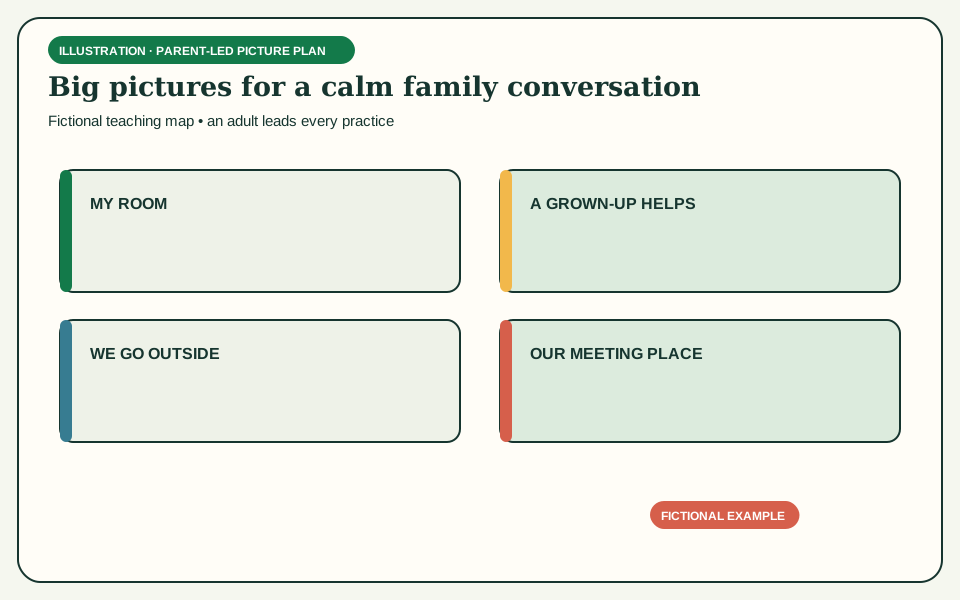
Match each responsibility to Adult or Child
04 / household planning
Create a printable household practice card
Reduce the plan to a small reminder for practice while preserving adult notes separately.
A practice card is a prompt, not the complete fire escape plan. Put the child's preferred name, a plain description of the alarm cue, the primary route label, the meeting-place name, and the agreed helper role on the front. On the back, use the four-part message: get out, meet, stay out, tell an adult. Keep the type large and pair each phrase with a distinct symbol.
Avoid printing sensitive diagnoses or unnecessary personal information. If a child needs hearing, vision, mobility, communication, or emotional support, record the operational assistance privately in the adult household plan. The child's card can use respectful functional wording, such as “wait for my agreed helper beside my bed,” only if that instruction has been reviewed for the actual home.
Include a review line rather than a score. Write the date, what the child understood, and one adult follow-up. Do not award speed badges or imply that completing a drill proves readiness. A fast rehearsal on a clear day cannot validate alarm coverage, a difficult alternative, or performance in smoke. Improvement comes from correcting specific plan conditions.
Make caregiver handoff deliberate. A babysitter or relative should review the adult plan, route, assistance roles, meeting place, and how to contact emergency services. The child card can support that conversation but cannot replace it. For sleepovers, NFPA recommends asking about the host home's escape plan; the familiar card may prompt questions, but the host's real layout controls.
Store the card where it is useful for review yet does not expose private details to visitors or online. Keep a copy with the adult emergency information if appropriate. Replace it when the bedroom, exit, helper, meeting place, or child's comprehension changes. Cross out obsolete versions so two cards cannot conflict.
Printing is the beginning of a review cycle. Ask the child to explain each symbol, let the designated helper rehearse their role, and note any mismatch with the detailed map. Then schedule another calm practice. The card should become simpler as the routine becomes clearer, not accumulate every household contingency in tiny text.
Consider: Do not put a card where it could obstruct an exit or alarm, and do not treat a completed card or quick practice time as proof that the household plan is safe.
Sources: NFPA: Escape planning, U.S. Fire Administration: Escape planning, American Red Cross: Home fire escape planning
Customize a practice card
Up to 1,000 characters per field. Entries remain only in this page until you leave or refresh.
Review or print your worksheet
Preview current entries and blank writing lines. Printing opens your browser’s print dialog, where you can choose a printer or “Save as PDF.”
Continue planning
Related household resources
Questions and worksheet
Fire Escape Plan for Children: A Parent-Led Practice Guide FAQ
At what age can a child practice a home fire escape plan?
There is no single readiness age. Adults can introduce a few pictures and words when a child can recognize them, then adapt the activity to development, communication, and support needs. The adult remains responsible for routes and assistance. Keep practice calm and supervised; consult the child's professionals or local fire service when individual needs require tailored teaching.
Should we practice through a bedroom window?
Do not assume so. Marking two ways out is planning guidance, but a window is not automatically a safe practice exit. Height, opening size, locks, screens, security bars, landing conditions, physical ability, and equipment all matter. Discuss and inspect the alternative with appropriate local or qualified guidance. Never ask a child to jump or conduct an unsupervised ladder drill.
What if my child sleeps through the smoke alarm?
Treat that as an adult planning issue, not misbehavior. Record who will alert and assist the child, identify a backup, and seek appropriate alarm or accessibility guidance. Do not depend on repeated surprise tests. Smoke alarms, assistance arrangements, and the route should be reviewed together for the actual household.
Should a child rescue a sibling or pet?
No. Assign assistance to capable adults and backups before an emergency. Teach the child to leave by the practiced route, go to the meeting place, and stay outside. If a person or pet is missing, tell firefighters; nobody should re-enter.
How often should families practice?
NFPA advises practicing the home fire drill at least twice a year, including practice at night and during the day. Adapt timing and method so it is safe for the household. Review sooner after a bedroom, route, helper, or support change. A nighttime scenario can be discussed or announced rather than sprung on a frightened child.
Does this card replace the full household plan?
No. It is a child-friendly memory aid. Adults still need a room-by-room map, inspected routes, alarm planning, assistance and backups, meeting-place decisions, accountability, contacts, and a schedule for review.