
Accessible Home Fire Escape Plan: Support, Routes, and Review
An accessible home fire escape plan begins with what each person can perceive and do in the actual home, not with a diagnosis or a generic accessibility label.
Start this planning guideIllustrative household guidance. Review actual conditions and follow local or building-specific instructions.
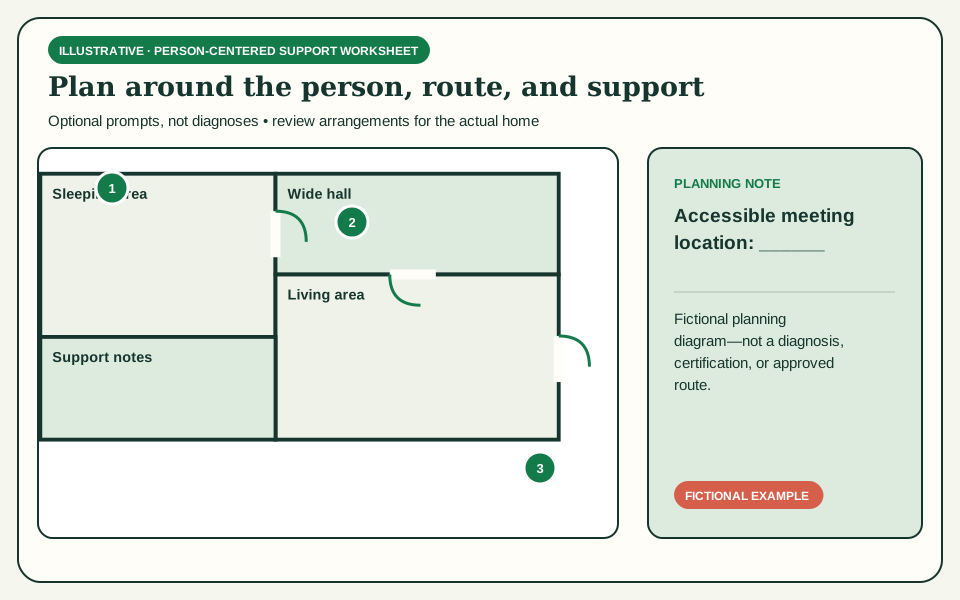
A useful plan connects notification, movement, communication, assistance, and an outside meeting place. It also names a backup when a usual helper, device, or route is unavailable. This is household planning, not workplace ADA certification or a claim of code compliance.
NFPA and USFA advise households to inspect routes, plan two ways out of every room, keep openings clear, choose an outside meeting place, and practice. Those principles need person-specific review. A route that exists on a floor plan may not be negotiable with a mobility device; an audible alarm may not notify someone who is deaf or hard of hearing; a visual cue may not wake a sleeping person; and a helper may not always be home.
Use these prompts to prepare a focused conversation with household members, the local fire service, building management where relevant, alarm specialists, occupational or physical therapists, and other qualified professionals. Do not test an unsafe transfer, carry, window exit, ladder, elevator, or smoky route. Keep optional support details private in the current session and print only what the household has agreed to share.
01 / household planning
Identify functional support needs
Review notification, movement, orientation, communication, and essential-device needs without asking anyone to disclose a diagnosis.
Start with the alarm signal. Ask how each person notices an alarm while awake and asleep, with and without hearing devices, glasses, or a caregiver nearby. NFPA emphasizes advance warning from smoke alarms. Adults should obtain current, product-specific advice about audible, visual, tactile, interconnected, or monitored notification rather than improvising a device arrangement.
Next examine movement from each frequently used room. Measure tight turns and thresholds, look for rugs or furniture that narrow the route, and check whether doors can be operated from the approach a person actually uses. A drawn doorway is not proof of passage. Include fatigue, pain, balance, grip, and the time needed to position a mobility aid, but never turn practice into a speed contest.
Consider orientation and vision in changing conditions. High-contrast, tactile, or consistent landmarks can support everyday route familiarity, but smoke can obscure signs and familiar cues. Do not rehearse with blindfolds or artificial smoke. Discuss how a person receives concise direction and whether path lighting or alarm features need professional review.
Communication planning should use the person's established method: speech, sign, text, communication board, device, or short prompts. Record what an assisting person needs to know and how responders can be told that someone may need help. Avoid long scripts. Once outside, provide the dispatcher with clear information and do not re-enter.
Cognitive, sensory, or emotional support may include advance explanation of alarm tests, a consistent phrase, or a familiar helper. The objective is a dependable action, not forced tolerance of distress. Plan for confusion, freezing, or an impulse to gather possessions as operational needs. Ask the person what wording helps and let that preference shape practice.
Finally list essential items only as planning constraints, not reasons to delay escape. A mobility aid positioned for immediate use differs from retrieving medication or equipment from another room. Discuss backups for power-dependent or life-sustaining equipment with appropriate clinical, utility, and emergency-planning professionals outside the escape drill.
Consider: Do not infer support from a diagnosis or assume a particular alarm, transfer, mobility aid, or communication method works for everyone. Obtain person- and home-specific guidance.
Sources: NFPA: Escape planning, U.S. Fire Administration: Escape planning, American Red Cross: Home fire escape planning
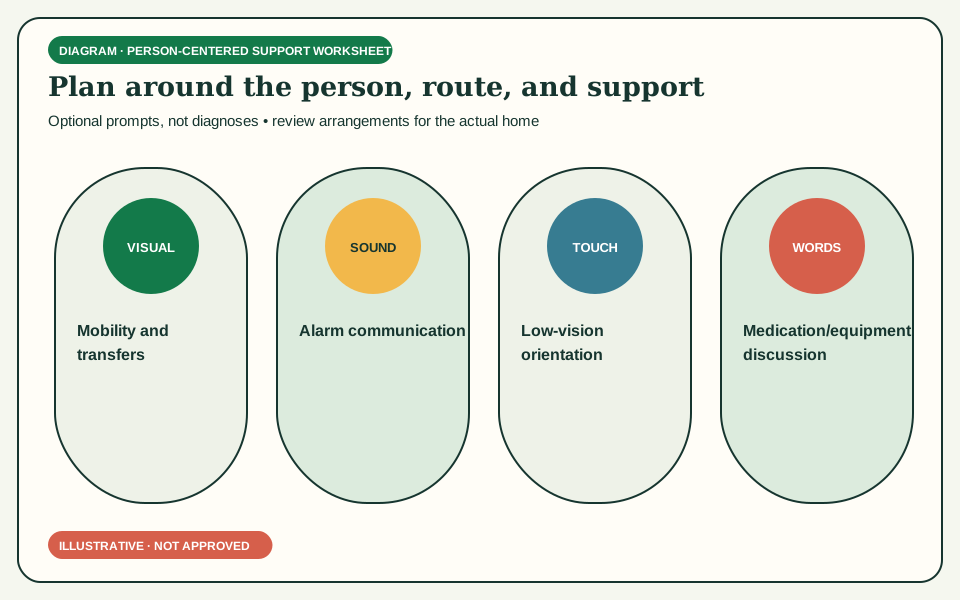
Select support prompts to discuss
02 / household planning
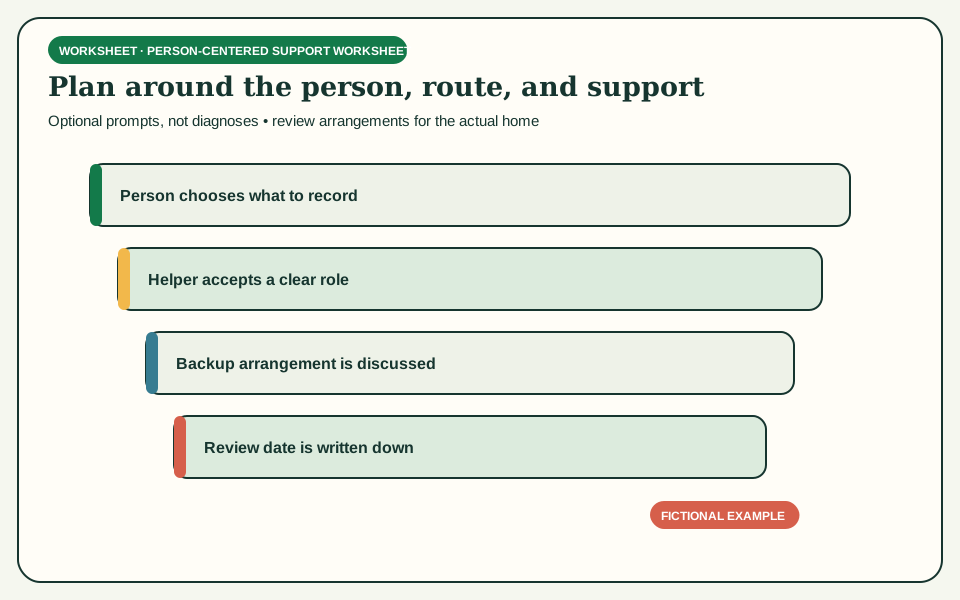
Create a primary and backup assistance agreement
Replace vague promises with role, location, communication, and absence contingencies that everyone has accepted.
Ask the person what help they want and obtain their agreement before assigning roles. Assistance might mean waking, giving a short cue, opening a door, guiding to an exit, positioning a mobility aid, or confirming arrival outside. Carrying or transferring someone is not a default solution and should never be practiced without person-specific professional advice.
Name a primary helper by role and schedule, then name a backup. “Someone will help” fails when each person assumes another will act. Record where the helper expects to meet the person and what phrase or signal they will use. Review days, nights, work shifts, visitors, and times the person is alone.
The helper also needs a safe route. An agreement that requires moving toward smoke, crossing an uncertain area, or re-entering is not a plan. Everyone who can leave should do so and report missing people to emergency responders from outside. NFPA's guidance is unequivocal that once out, people should stay out.
If no household helper is present, discuss the situation with the local fire service and appropriate building or care professionals before an emergency. Do not publish universal advice about waiting, elevators, areas of refuge, balconies, or stair use. In apartments and high-rises, follow the building-specific emergency plan and fire-service direction; conditions and building strategies differ.
Keep a concise responder note if the person wants one, including location patterns, communication method, and mobility support—not unnecessary medical history. Decide where a helper can access it without delaying escape. Emergency contact cards are useful after reaching safety, but retrieving a card must never become a prerequisite for leaving.
Practice the communication and route under ordinary safe conditions. Stop before any hazardous transfer, stair carry, window use, or unsupported maneuver. Debrief separately with the person: Did help arrive as agreed? Was the cue respectful and clear? Could the backup perform the role? Convert each gap into an owner and review date.
Consider: Never ask an untrained helper to improvise a lift, carry, stair device, or window escape. Assistance must not require re-entry or movement into an unsafe area.
Sources: NFPA: Escape planning, Ontario Association of Fire Chiefs: Fire escape plans, U.S. Fire Administration: Escape planning
Draft optional helper roles
Up to 1,000 characters per field. Entries remain only in this page until you leave or refresh.
Next step / visual draft
Bring these notes into a visual starting point.
Use the map maker from a floor plan or sketch. It creates a visual draft, not an approved home plan.
Open the fire escape plan makerDraw an evacuation map03 / household planning
Discuss person-specific routes
Test the assumptions behind each route on paper and in a safe walkthrough, while flagging decisions that need qualified review.
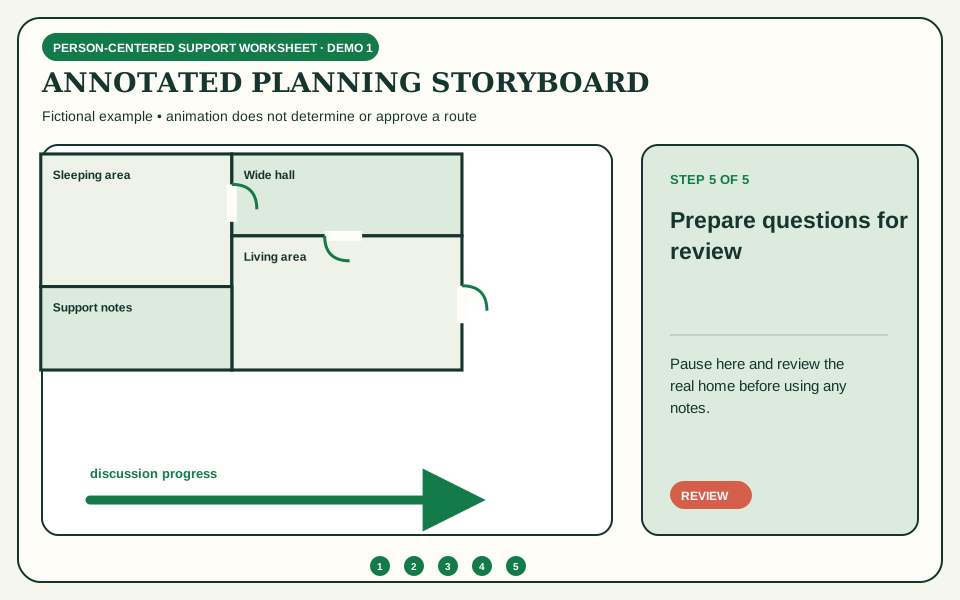
Draw the person's starting locations, all doors and windows, smoke alarms, primary route, possible alternative, and outside meeting place. NFPA recommends two ways out of each room, but the second mark is a prompt for assessment—not proof that it is usable. Label route width, thresholds, door operation, level changes, and any assistance point relevant to the person.
Walk the primary route during normal conditions with the person's usual equipment. Observe turning room, reach, stamina, lighting, and whether stored items migrate into the path. Do not time the person in a way that encourages unsafe exertion. The goal is to discover barriers early and correct them, not certify performance.
Explore the alternative as a sequence of questions. Can the opening be reached and operated? What is beyond it? Is there a level change, locked gate, steep surface, or equipment need? A window, balcony, or escape device requires home-specific qualified review. Never infer that because an icon fits on the diagram, a person can use it.
Connect notification to movement. If a person needs a helper to begin the route, show that rendezvous. If the usual helper sleeps on another level, examine whether the arrangement is realistic without asking that helper to move through dangerous conditions. Add a backup question rather than inventing false certainty.
For an apartment or high-rise, expand the discussion from the unit to the building instructions. Learn alarm meanings, exit-stair locations, door-closing guidance, refuge or evacuation provisions where applicable, and the building's strategy from management and the fire service. Do not issue universal evacuate, defend-in-place, elevator, or stair instructions; follow the building-specific plan.
End every route at the same assessed outside meeting place and include accountability. Confirm that the place itself is accessible in expected weather and does not block responders. A person who reaches outside should stay outside. Tell firefighters the last known location and support needs of anyone missing instead of attempting re-entry.
Consider: Routes involving stairs, windows, balconies, evacuation chairs, lifts, or elevators require qualified and often building-specific review; do not practice them based on this diagram alone.
Sources: NFPA: Escape planning, U.S. Fire Administration: Escape planning
Explore route-review considerations
Choose a label: Test the assumptions behind each route on paper and in a safe walkthrough, while flagging decisions that need qualified review.
Windows and unusual alternatives require property- and person-specific review; a drawing is not permission to use them.04 / household planning
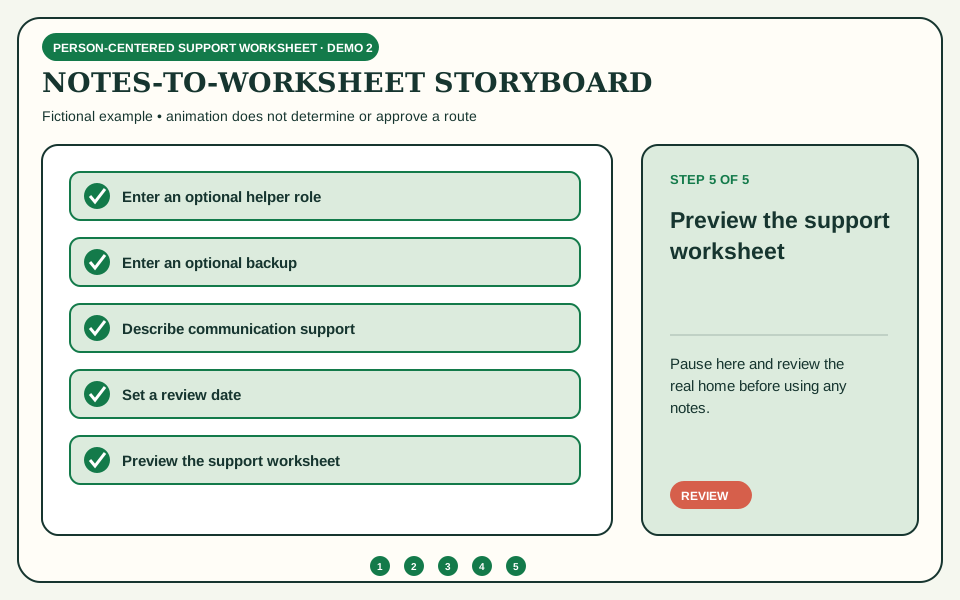
Review and print the support worksheet
Turn decisions and unresolved questions into a private, maintainable record rather than a one-time compliance score.
The worksheet should distinguish confirmed arrangements from questions. Record notification method, primary and alternative route status, assistance actions, primary and backup roles, meeting place, communication preference, and review date. Mark an uncertain alternative “needs review”; never fill a blank with generic emergency advice merely to complete the page.
Use functional language chosen with the person. “Needs the walker placed on the right side” is more actionable and respectful than a broad label. Include only details helpers need. If printing, control who receives the sheet and store it securely. Browser entries should remain in the current session unless the person deliberately prints or saves them.
Create a change trigger list: furniture moves, a new mobility aid, changed hearing or vision, alarm replacement, new caregiver, different bedroom, construction, weather access, or building instruction updates. A dated worksheet is evidence of a conversation, not permanent truth. Assign one household member to initiate review.
Add contacts only after deciding their purpose. Local fire-service non-emergency outreach, building management, alarm professionals, care providers, or equipment specialists may answer different questions. Do not imply that any single contact approves the whole plan. Call emergency services during an emergency only from a safe location.
During a safe practice, record observations without grading the person. Note whether notification was perceived, assistance was clear, the door operated, the route stayed clear, and everyone reached the meeting place. Never add smoke, darkness, surprise, speed pressure, unsafe transfers, or inaccessible alternative routes to make the test “harder.”
Close the review with a concrete action owner and date. Examples include removing hall storage today, asking management about alarm signals this week, or scheduling a professional threshold assessment. Print the current sheet for agreed helpers, destroy outdated copies, and keep the person's consent central whenever details change.
Consider: A completed worksheet does not certify accessibility, code compliance, alarm adequacy, or safe evacuation. Resolve open questions with the appropriate local and qualified sources.
Sources: NFPA: Escape planning, Ontario Association of Fire Chiefs: Fire escape plans, American Red Cross: Home fire escape planning, U.S. Fire Administration: Escape planning
Preview a private support-plan review
Up to 1,000 characters per field. Entries remain only in this page until you leave or refresh.
Review or print your worksheet
Preview current entries and blank writing lines. Printing opens your browser’s print dialog, where you can choose a printer or “Save as PDF.”
Continue planning
Related household resources
Questions and worksheet
Accessible Home Fire Escape Plan: Support, Routes, and Review FAQ
Is an accessible fire escape plan the same as ADA compliance?
No. This is a person-centered household planning worksheet, not a workplace program, accessibility audit, code review, or certification. Building features and legal duties vary by location and occupancy. Consult the responsible local authorities and qualified professionals.
Should a helper carry someone down stairs?
Do not assume that is safe. Lifting, carrying, transfers, stair devices, and evacuation equipment require person-specific training, equipment, and building review. Never improvise or practice a hazardous maneuver. Ask the local fire service and relevant clinical, equipment, or building professionals about the actual situation.
What if only one route works with a wheelchair?
Record that fact honestly and seek qualified home-specific review of barriers and alternatives. Do not label an unusable window or stair as the second route simply to complete a form. Consider modifications and assistance with appropriate professionals, and keep the viable route clear while questions are addressed.
What alarm is right for someone who is deaf or hard of hearing?
Notification needs differ while awake and asleep and by degree of hearing, devices, household layout, and local requirements. Obtain current advice from the local fire service and qualified alarm professionals about listed audible, visual, tactile, interconnected, or other appropriate systems. Do not rely on an improvised consumer device.
Does high-rise guidance belong on this worksheet?
Only as building-specific information. Ask management and the fire service about alarm meanings, stairs, doors, refuge provisions, elevators, and the building's emergency strategy. Do not apply a universal evacuate or stay-put instruction, and never enter smoke because a generic worksheet names a stair.
How should private support information be handled?
Collect the minimum functional information needed, with the person's agreement. Keep browser entries in the session, control printed copies, avoid public maps, and destroy obsolete sheets. Emergency helpers need actionable information, not an unnecessary diagnosis history.